Home › Dinner guides › 5-Ingredient Dinners: Short Grocery List, Real Dinner
5-Ingredient Dinners: Short Grocery List, Real Dinner
By the What's for Eats kitchen crew · Updated October 23, 2026
Short grocery lists.
Less thinking.
Seven flexible meals with measured ingredients, step-by-step methods and a practical plan for using what you already own.
Fewer ingredients means a shorter list, less chopping and less money spent on things that rot in the crisper. These dinners use five main ingredients, not counting oil, salt and pepper. Here are seven to try and the formula to invent your own.
The five-ingredient formula
Pick one starch, one protein, one vegetable, one flavor booster and one binder or topping, like cheese or sauce. Oil, salt and pepper are free.
Seven dinners
1. Black bean sweet potatoes
Sweet potatoes, black beans, cheese, salsa. Microwave the potatoes 6 to 8 minutes, split and top. Here is the full recipe. (Four ingredients plus an optional topping.)
2. Pesto chicken pasta
Pasta, pesto, cherry tomatoes, parmesan and shredded rotisserie chicken. Boil the pasta, stir in pesto with a splash of pasta water, then fold in the rest.
3. Egg fried rice
Cooked rice, eggs, frozen peas and carrots, soy sauce, oil. Cold rice works best. See the full recipe.
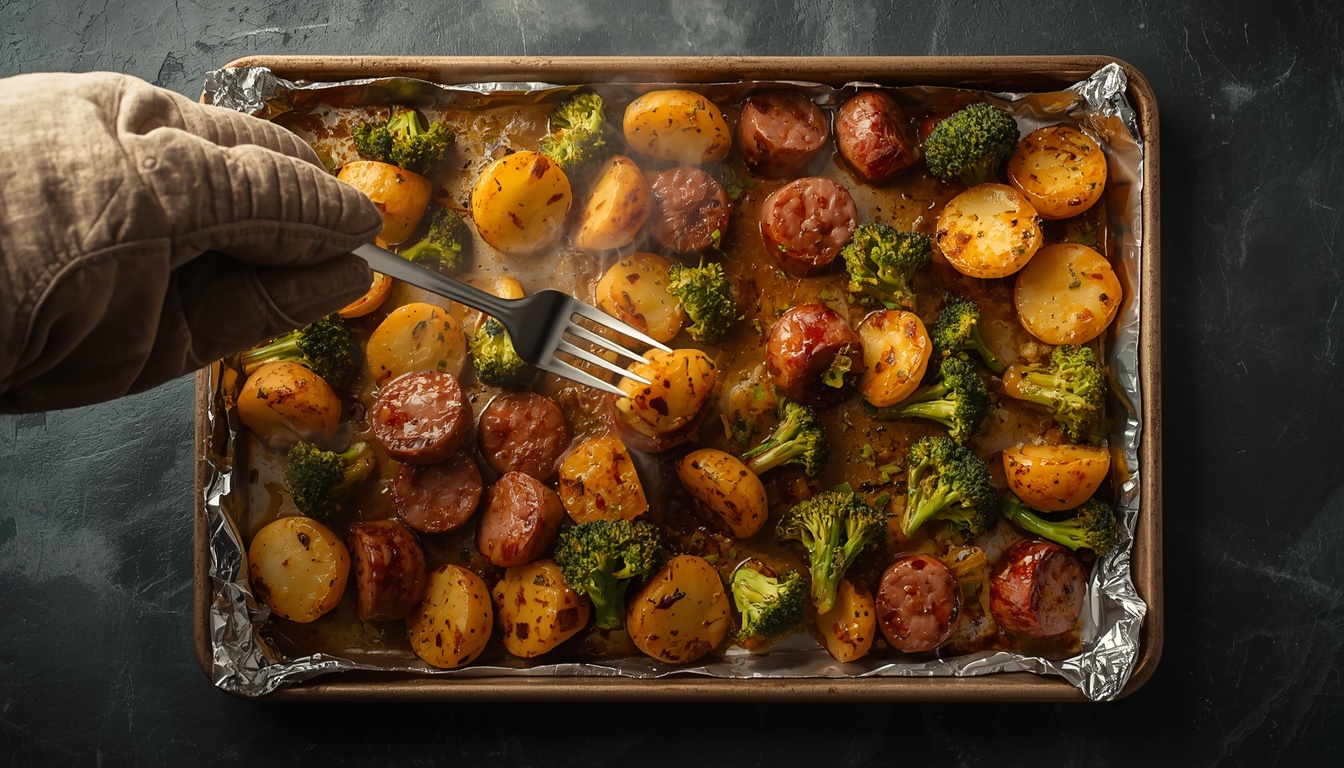
4. Sheet-pan sausage and veggies
Fully cooked sausage, baby potatoes, broccoli, oil, garlic powder. Roast at 425°F. More in easy sheet-pan dinners.
5. Salsa chicken
Chicken breasts, salsa, taco seasoning, black beans, tortillas. Slow cook on low 6 to 7 hours until the chicken hits 165°F. See slow cooker dinners.
6. Tomato white bean pasta
Pasta, marinara, white beans, spinach, parmesan. One pot and about 20 minutes.
7. Cheesy quesadillas
Tortillas, cheese, black beans, salsa and any leftover chicken or vegetables. Cook in a skillet 2 to 3 minutes per side.
Swap guide
- Protein swaps: beans, eggs, tofu, sausage, canned tuna or shredded chicken.
- Vegetable swaps: use whatever is frozen or on sale.
- Flavor swaps: salsa, pesto, soy sauce, marinara or taco seasoning.
Make them tonight: measured ingredients and full instructions
These are approachable starting quantities for roughly four servings, depending on appetite. The five-ingredient count excludes water, salt, pepper and ordinary cooking oil only when you already have them. Follow packaging guidance, and use a thermometer where meat is involved. Open any recipe for a clear cooking sequence.
1. Black Bean Sweet Potatoes — full cooking instructions
What you need
2 large sweet potatoes; 1 can (15 oz) black beans, drained; 1 cup shredded cheese; ½ cup salsa.
How to cook it
Scrub and pierce the potatoes with a fork. Microwave on a microwave-safe plate until a knife slides through the middle; start checking around six minutes and turn as needed. Heat the drained beans separately until hot. Split the potatoes and divide the beans, cheese and salsa between them.
Helpful adjustment: Serve with bagged salad if you want more vegetables. A small potato may cook much faster than a large one.
2. Pesto Chicken Pasta — full cooking instructions
What you need
12 oz dry pasta; 2 cups cooked shredded chicken; ½ cup prepared pesto; 1 cup cherry tomatoes; ¼ cup grated Parmesan.
How to cook it
Boil the pasta according to the package until tender. Save ½ cup of the starchy cooking water, then drain. Return the pasta to the warm pot, add the cooked chicken and pesto, and stir with enough saved water to make a glossy sauce. Add halved tomatoes and Parmesan, warming until the chicken is thoroughly heated.
Helpful adjustment: Use rotisserie chicken that was promptly refrigerated; frozen peas can replace tomatoes.
3. Egg Fried Rice — full cooking instructions
What you need
3 cups cooked and promptly chilled rice; 3 eggs; 2 cups frozen peas and carrots; 2 tbsp soy sauce; 1 tbsp cooking oil.
How to cook it
Heat oil in a large skillet, then cook the frozen vegetables until hot. Move them to one side and scramble the eggs until fully set. Add the chilled rice, break up clumps and stir-fry until steaming hot throughout. Add soy sauce and cook another minute, stirring.
Helpful adjustment: Cook fresh rice ahead only if you can cool and refrigerate it promptly; do not leave rice on the counter overnight.
4. Sheet-Pan Sausage and Vegetables — full cooking instructions
What you need
12 oz fully cooked sausage; 1 lb baby potatoes; 4 cups broccoli; 2 tbsp oil; 1 tsp garlic powder.
How to cook it
Heat oven to 425°F. Halve the potatoes, toss with one tablespoon oil and roast on a roomy sheet pan for about 12 minutes. Slice the fully cooked sausage, toss with broccoli, remaining oil and garlic powder, and add to the pan. Continue roasting, usually 15–20 minutes, until potatoes are tender and all components are hot.
Helpful adjustment: Use two pans if crowded; smaller potato pieces roast faster. Check the sausage label for reheating instructions.
5. Slow-Cooker Salsa Chicken — full cooking instructions
What you need
2 lb thawed boneless chicken; 16 oz jar mild salsa; 1 packet taco seasoning; 1 can (15 oz) black beans; tortillas to serve.
How to cook it
Place thawed chicken in a properly sized slow cooker; add seasoning, salsa and drained beans. Cover and follow your cooker's instructions for the cut and setting. Check that the thickest chicken pieces reach 165°F, then shred with clean forks and serve warm in tortillas.
Helpful adjustment: Do not put frozen raw chicken directly into a slow cooker; refrigerate any leftovers promptly.
6. Tomato White-Bean Pasta — full cooking instructions
What you need
12 oz pasta; 24 oz marinara; 1 can (15 oz) white beans, drained; 2 cups baby spinach; ¼ cup grated Parmesan.
How to cook it
Boil pasta until just tender. Drain, reserving a little cooking water. Warm marinara and beans in the pot, stir in spinach until wilted, then toss in cooked pasta. Add reserved water a spoonful at a time if the sauce is thick. Finish with Parmesan.
Helpful adjustment: For more protein, add additional beans instead of another ingredient; taste before adding salt.
7. Cheesy Bean Quesadillas — full cooking instructions
What you need
8 medium tortillas; 2 cups shredded cheese; 1 can (15 oz) black beans; ½ cup salsa; 1 cup leftover cooked chicken (optional).
How to cook it
Warm and mash some drained beans with a spoonful of salsa. Spread on one half of each tortilla, add cheese and optional safely stored cooked chicken, then fold. Toast in a dry nonstick skillet over medium heat, flipping once, until golden and the cheese melts. Cut into wedges.
Helpful adjustment: For a meatless five-ingredient version, omit chicken. If adding raw vegetables, slice thinly and cook as needed.
How to tell it worked: The meal uses familiar ingredients, has a clearly cooked protein and vegetable, creates a reasonable number of dishes, and leaves a repeatable shopping list. Save the combination that works rather than reinventing dinner every week.
The secret isn't five fancy ingredients.
It's choosing familiar staples that work in more than one meal. Beans can become stuffed sweet potatoes, quesadillas and pasta; cooked chicken can become pasta or tacos. Build a short list that does more work.

The five-ingredient weekly challenge
Pick five pantry or freezer ingredients you already own, like rice, beans, eggs, frozen vegetables and cheese. Build three different dinners from only those, plus oil, salt and pepper. Bonus points for no extra shopping trip. Use our pantry staples list to choose your five.
Why short ingredient lists help
They make cost per serving easy to calculate and are perfect for nights with no energy. The 5:47 p.m. Rescue Kit can pull these together into a week plan and auto-build the list.
Let us take dinner off your plate
The Rescue Kit picks dinner by how tired you are. The Cheap Dinner Vault shows what each dinner costs.
Get the Rescue KitGet the Cheap Dinner VaultQuestions, answered
Do salt, pepper and oil count as ingredients?
Most five-ingredient recipes treat them as free pantry basics, so they are not counted.
Can five-ingredient dinners be healthy?
Yes. Combining a protein, a vegetable and a whole-food starch gives you a balanced plate with very few ingredients.
Helpful outside resource
For more ways to build balanced meals while keeping food costs in view, see MyPlate’s guide to healthy eating on a budget.
Make a realistic seven-night dinner plan
Use the seven recipes as a flexible rotation rather than shopping for seven completely different meals. Repeat ingredients intentionally and move the lowest-effort dinners to your busiest days.
| Night | Dinner | Make it easier |
|---|---|---|
| Monday | Black bean sweet potatoes | Microwave potatoes and use canned beans |
| Tuesday | Pesto chicken pasta | Use safely stored rotisserie chicken |
| Wednesday | Egg fried rice | Use promptly chilled cooked rice and frozen vegetables |
| Thursday | Sausage and vegetables | Buy pre-cut broccoli and fully cooked sausage |
| Friday | Salsa chicken | Start thawed chicken in the slow cooker early enough to cook safely |
| Saturday | Tomato white bean pasta | Use pantry beans and jarred marinara |
| Sunday | Cheesy quesadillas | Use leftover beans and cheese |
Build a shopping list that actually saves effort
Produce: sweet potatoes, cherry tomatoes, baby potatoes, broccoli and spinach. Proteins: canned black beans, white beans, eggs, fully cooked sausage and cooked chicken. Starches: pasta, rice and tortillas. Flavor and dairy: pesto, marinara, salsa, cheese, taco seasoning and soy sauce. Check your pantry first, then adjust quantities from the individual recipe cards based on how many nights you plan to cook.
Prep once, use it twice
Wash and dry produce, portion shredded cheese, and group each dinner's ingredients in the refrigerator or pantry. If cooking rice ahead, cool and refrigerate it promptly rather than leaving it at room temperature. Store cooked chicken separately from raw ingredients and use a thermometer when reheating leftovers.
How to adjust for picky eaters
Offer sauces separately, keep some pasta or rice plain, and let everyone build their own quesadilla or potato. You do not need to prepare a completely separate dinner: the same ingredients can be plated differently.
Common five-ingredient dinner mistakes
- Too little food: Increase the amount of beans, rice, pasta or vegetables rather than adding lots of new ingredients.
- Flat flavor: Choose one bold sauce such as pesto, salsa or marinara; taste before adding extra salt.
- Too many specialty purchases: Reuse beans, tortillas and cheese across multiple recipes.
- Unsafe shortcuts: Don't leave cooked rice out overnight or put frozen raw chicken straight into a slow cooker.
For safe cooking temperatures and storage, refer to FoodSafety.gov's temperature guide and storage chart.
Explore every dinner guide
Keep building your weeknight plan with these related guides. Each one covers a different part of getting dinner on the table.
Make this dinner strategy work in a real kitchen
Build a five-ingredient grocery list without doubling your spending
Count the actual items you need to buy, not just the names in a recipe. For pesto chicken pasta, for example, the shopping list can be pasta, chicken, jarred pesto, spinach and Parmesan. Measure a useful amount before shopping: about 12 ounces dry pasta, one pound boneless chicken, half a jar of pesto, a few handfuls of spinach and enough cheese to finish four bowls. Pantry salt, water and cooking oil are assumed only if you already have them; if you do not, add them to the list.
One ingredient can do two jobs. Cook extra pasta once and use it for next-day lunch; reserve half the spinach for egg fried rice later in the week. The point of a short list is fewer decisions, not five specialty purchases for every meal.
Three reliable ways to turn five ingredients into dinner
- Skillet method: brown the protein, add a vegetable that cooks quickly, then coat with sauce and serve over rice or pasta. This works for sausage, peppers, marinara, and cooked gnocchi.
- Sheet-pan method: combine a protein with vegetables that have similar cooking needs, coat lightly with oil and seasoning, and roast until vegetables are tender and the protein reaches its safe temperature. Cut dense potatoes smaller or give them a head start.
- Assembly method: heat ready-to-eat components and build quesadillas, bean-and-rice bowls, hummus wraps or baked potatoes. This is the best option when there is no time to prep raw meat.
When your simple dinner goes wrong
It tastes flat: add a little acid from lemon juice or salsa, or season in stages. It looks dry: save some pasta water, broth or sauce to loosen it. The vegetables are soggy: reduce crowding and cook watery vegetables separately. You are still hungry: add beans, eggs, frozen vegetables or an easy side rather than rebuilding the entire recipe.
A practical two-night example
Monday: make bean-and-cheese quesadillas with tortillas, canned beans, shredded cheese, salsa and bagged greens. Tuesday: use the remaining tortillas and cheese for chicken wraps, adding precooked chicken, greens and yogurt dressing. Shared ingredients prevent a “five ingredients per meal” plan from turning into a ten-bag grocery trip. For more ideas with fewer decisions, see dinners for low-energy nights and our budget pantry list.
Further reading: For accurate cold storage and safe temperatures, use the USDA food-safety basics. For related meal ideas, browse the complete dinner guide library.
Our editorial approach: These are practical dinner guides, not a claim that every variation has been kitchen-tested. Cooking time and costs depend on your ingredients and equipment. See how What's for Eats develops its guides and our privacy information.
Get the free PDF version
Enter your email and we’ll send you the actual PDF as an attachment, with a direct PDF link too. The newsletter is optional.