Home › Dinner guides › Weekly Meal Plan for Busy Families: 7 Dinners and One Shopping List
Weekly Meal Plan for Busy Families: 7 Dinners and One Shopping List
By the What's for Eats kitchen crew · Updated October 26, 2026
Original illustrated weekly meal plan artwork · not a food photograph
📅 Seven practical dinners🛒 One combined grocery list⏰ Easier nights when you're busiest
A meal plan does not have to be a color-coded spreadsheet. It just has to answer one question before 5 p.m.: what are we eating? Here is a ready-made week matched to how tired you will probably be each day, a combined shopping list and the 10-minute method for making your own.
The 10-minute planning method
Check the calendar. Practice night and late-meeting night get the easiest dinners.
Pick one slow cooker or dump-and-bake night for your busiest day.
Choose two no-brainer nights, like quesadillas or breakfast for dinner.
Check the pantry and freezer before writing the list.
Post the plan where everyone can see it so the nightly "what do you want?" debate ends.
A sample week
Monday: Slow cooker salsa chicken with rice and tortillas. Start it in the morning. Make extra.
Tuesday: Chicken quesadillas using Monday's leftovers. About 15 minutes.
Wednesday: Sheet-pan sausage and broccoli. One pan, foil lined.
Thursday: Pantry pasta with white beans and spinach. A 20-minute pot meal.
Friday: Breakfast for dinner. Scrambled eggs, toast and fruit.
Saturday: Egg fried rice with leftover rice and frozen vegetables.
Sunday: Quick chicken soup from the last of the chicken, broth and frozen vegetables.
Protein and dairy: 2 lb chicken breasts, 1 package cooked sausage, 1 dozen eggs, shredded cheese, parmesan, butter.
Produce and frozen: broccoli, baby potatoes, frozen peas and carrots, frozen spinach, fruit, onions.
Pantry: salsa, taco seasoning, black beans, white beans, marinara, pasta, rice, tortillas, broth, soy sauce, oil, bread.
Check what you already own first. A fifth jar of cumin is not a plan.
Your seven-night dinner plan, with practical steps
Amounts below are starting points for about four servings and can be adjusted for your household. Dedicated illustrations accompany the first four dishes; remaining meals use the article's planning artwork rather than misleading unrelated food photography.
Original illustration · planning inspiration
Monday · Cook once; reserve chicken safely
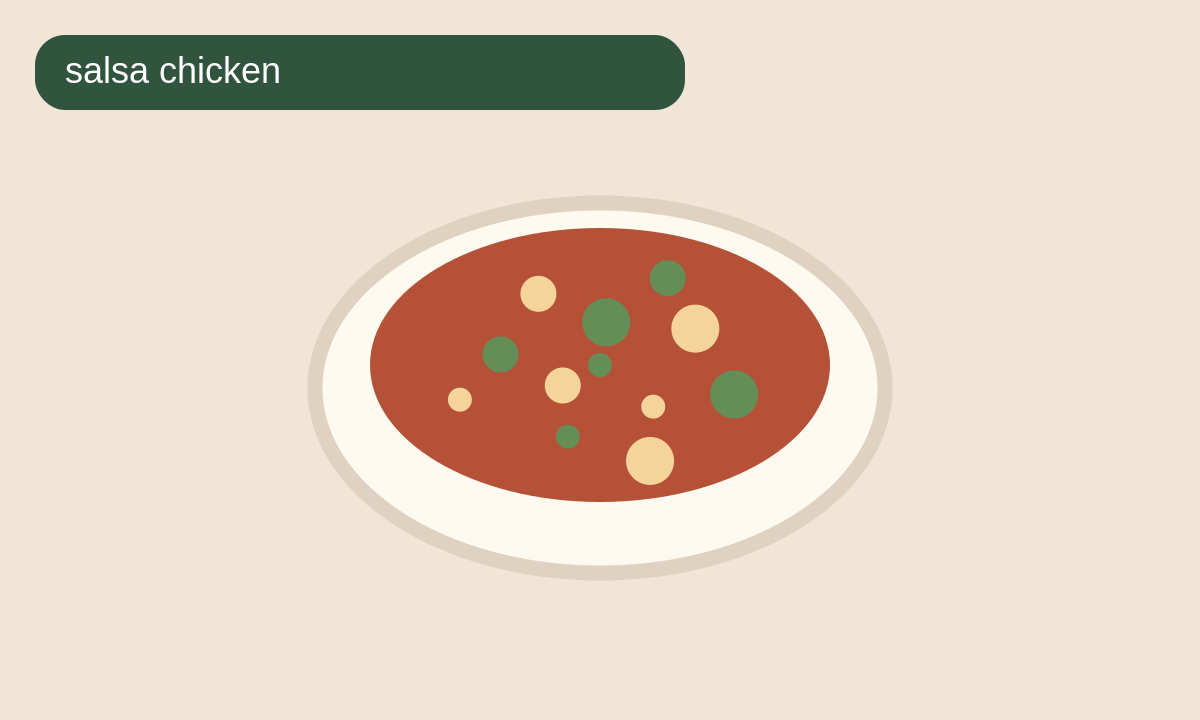
Salsa chicken rice bowls
Ingredients: 2 lb thawed chicken, 16 oz salsa, 1 tbsp taco seasoning; serve with cooked rice and tortillas.
Method: Cook thawed chicken with salsa using a suitable recipe and slow cooker or stovetop method. Check chicken reaches 165°F. Divide and refrigerate the portion for Tuesday promptly in shallow containers.
Method: Reheat chicken thoroughly to 165°F, then layer with cheese in tortillas. Cook in a skillet until the tortillas are crisp and cheese melts. Serve with salsa and fresh vegetables.
Original illustration · planning inspiration
Wednesday · About 35 minutes
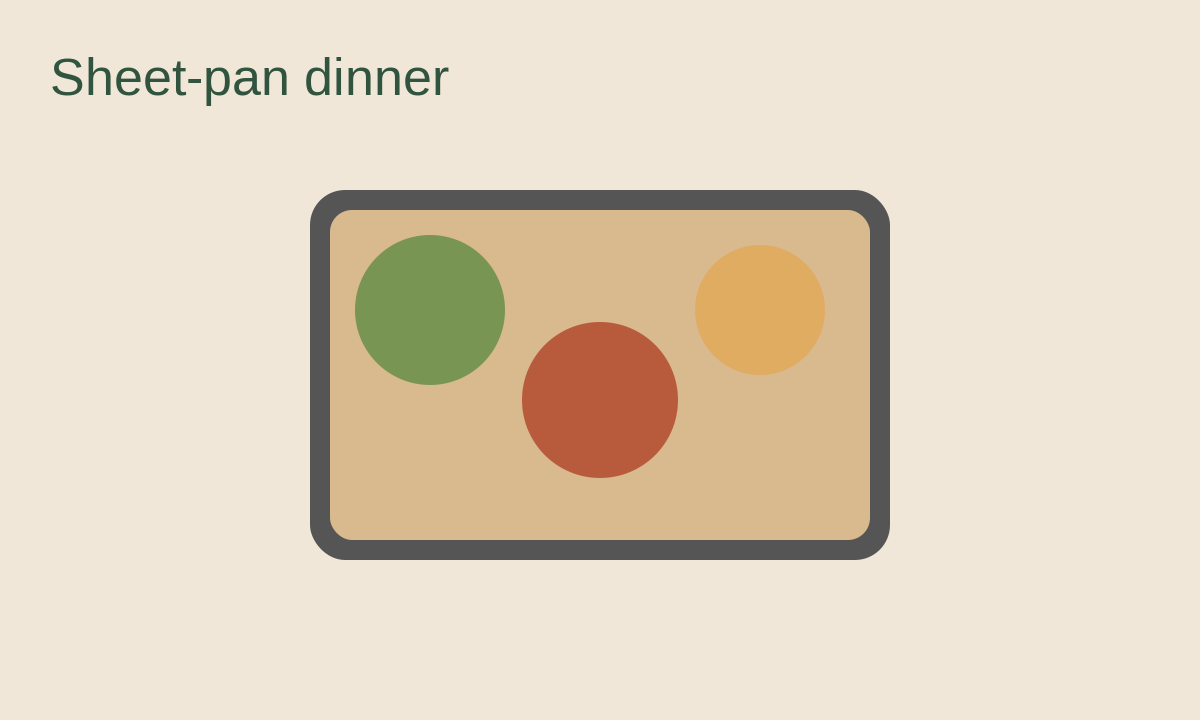
Sheet-pan sausage and broccoli
Ingredients: 12 oz fully cooked sausage, 1 lb baby potatoes, 1 large head broccoli, 2 tbsp oil.
Method: Heat oven to 425°F. Halve potatoes and roast with 1 tbsp oil for 12–15 minutes. Add broccoli and sliced fully cooked sausage with remaining oil. Roast about 15–20 minutes more until potatoes are tender and sausage is heated according to its label.
Original illustration · planning inspiration
Thursday · About 20 minutes
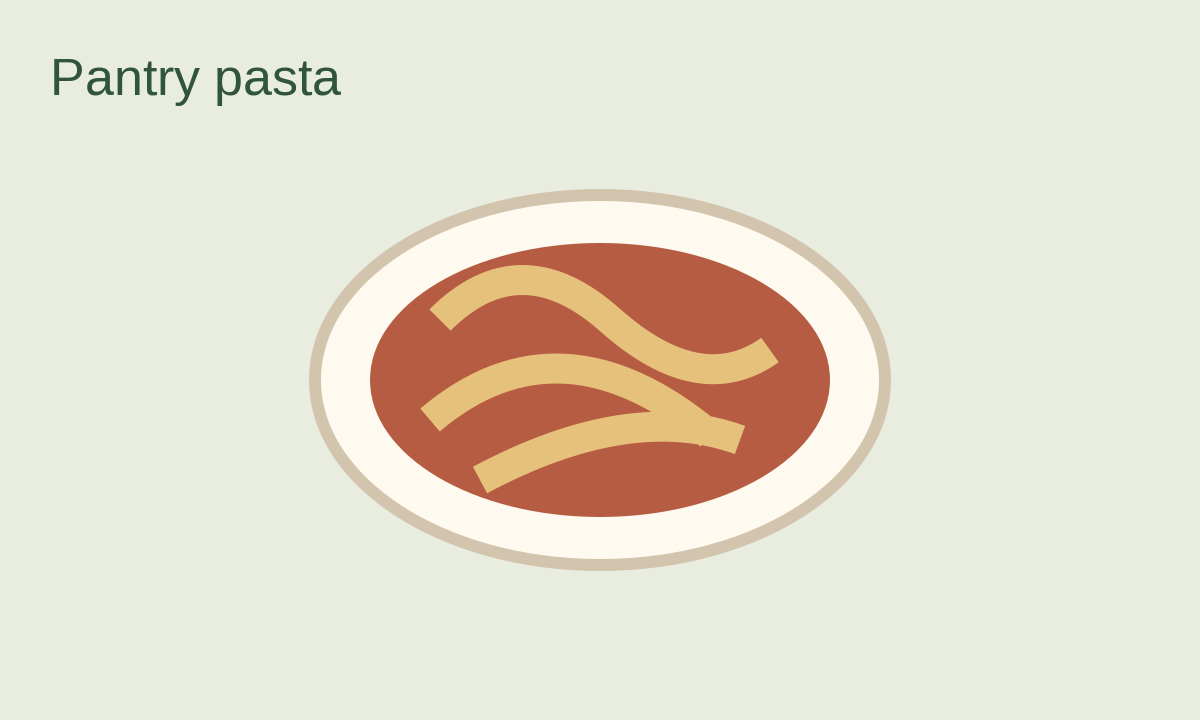
Pantry tomato pasta
Ingredients: 12 oz dry pasta, 24 oz marinara, 1 can white beans, 2 cups frozen spinach, Parmesan.
Method: Cook pasta according to the package. Warm sauce, drained beans and spinach until thoroughly hot; toss with pasta and finish with Parmesan.
Method: Cook eggs until set, add vegetables and cook until hot, then add rice and soy sauce. If using leftover rice, refrigerate promptly after its first cooking and reheat thoroughly; do not leave cooked rice at room temperature.
Original illustration · planning inspiration
Sunday · About 25 minutes
Quick chicken and vegetable soup
Ingredients: 2 cups cooked chicken that has been safely refrigerated or frozen, 4 cups broth, 2 cups frozen vegetables, optional noodles.
Method: Simmer broth and vegetables until tender, add chicken and heat soup thoroughly to 165°F. If chicken from Monday has been refrigerated beyond the recommended window, do not use it; freeze the Sunday portion promptly on Monday instead.
Make the seven dinners actually happen
Sunday: ten minutes before grocery shopping
Open the family calendar. Mark which evenings have sports, shifts, late meetings or appointments. Put a five-minute assembly dinner on the hardest night, one-pan meals on moderately busy nights, and the longer recipe on a day when somebody will be home to cook. Review the refrigerator and pantry before buying replacements.
Monday and Tuesday: cook once, reuse safely
Choose two meals with overlapping ingredients—for example, chicken tacos and chicken rice bowls. Cook the poultry thoroughly to 165°F. Promptly refrigerate the second portion in a shallow container rather than leaving it on the stove all evening. Keep toppings separate so both meals feel different.
Midweek: use the emergency plan
Keep a predictable fallback such as beans and microwave rice, tomato soup and toast, or eggs with bread and fruit. If the scheduled dinner no longer fits the evening, swap it with the fallback; do not treat this as a failed plan. The schedule serves the family, not the other way around.
Weekend: use fresh produce first and check leftovers
Look for vegetables that will not last another week and turn them into soup or a sheet-pan side. Use cooked leftovers in the recommended three-to-four-day refrigerator window, or freeze suitable portions promptly. Make next week's plan easier by recording which dinner produced too many dishes or created uneaten leftovers.
Reusable planning questions
Which night will have the least available cooking time?
Which two meals can use the same package of vegetables or tortillas?
Put the easiest dinners on your worst days. If the week falls apart, swap two nights without guilt. For ideas, see easy dinners for no-energy nights. Cooking once and eating twice cuts both effort and cost, which helps your cost per serving.
Skip the planning
The 5:47 p.m. Rescue Kit plans the week in one click based on how tired each day will be, builds the grocery list sorted by store section and prints a fridge sheet.
Let us take dinner off your plate
The Rescue Kit picks dinner by how tired you are. The Cheap Dinner Vault shows what each dinner costs.
Use the list as a starting point for four people, then cross off ingredients already in your pantry. Quantities assume you follow the seven-night plan above and adjust leftovers safely.
16 oz salsa, taco seasoning, rice, 8 tortillas, 12 oz pasta, 24 oz marinara, 1 can white beans, 4 cups broth, soy sauce, bread
Multiple nights
Dairy
2 cups shredded cheese, Parmesan, optional yogurt
Tuesday, Thursday and Friday
The ten-minute Sunday planning session
Minutes 0–2: Look at the week's calendar and identify your two hardest evenings.
Minutes 2–4: Put your easiest meals on those nights.
Minutes 4–6: Choose meals that share ingredients, such as tortillas, rice and chicken.
Minutes 6–8: Check the refrigerator, freezer and pantry before adding groceries.
Minutes 8–10: Write the grocery list by store section and post the plan where everyone can see it.
Keep food safety in the plan
Cook poultry to 165°F. Refrigerate perishable leftovers promptly and use refrigerated leftovers within three to four days or freeze them. Monday's chicken should not sit refrigerated until Sunday; freeze a portion promptly if it will be used then. Store cooked rice promptly and reheat thoroughly. See USDA leftovers guidance.
Emergency backup: Keep canned beans, microwave rice and frozen vegetables available. If a scheduled dinner becomes impossible, swap in the backup instead of abandoning the entire week.
Check whether your plan worked
At week's end, mark the dinners you actually made, the groceries left unused and the night when dinner felt hardest. Next week, repeat the meals that worked and replace the ones that did not. A good meal plan should reduce decisions, not add pressure.
Explore every dinner guide
Keep building your weeknight plan with these related guides. Each one covers a different part of getting dinner on the table.
Original What’s for Eats visual guide — save this framework for another busy night.
A seven-night plan with repeated ingredients
Monday — Tacos: tortillas, beans or chicken, cheese, lettuce and salsa.
Tuesday — Sheet-pan dinner: fully cooked sausage, small potatoes and broccoli.
Wednesday — Quesadillas: reuse tortillas, cheese and the remaining beans or chicken.
Thursday — Tomato pasta: pasta, jarred tomatoes, frozen spinach and white beans.
Friday — Breakfast for dinner: eggs, toast and fruit.
Saturday — Leftover remix: use safe, properly refrigerated leftovers in rice bowls or soup.
Sunday — Flexible prep: cook chili or soup and set aside a portion for later.
One grouped shopping list, not seven little lists
Produce: potatoes, lettuce or cabbage, fruit, optional onions. Protein: chicken or beans, fully cooked sausage, eggs, white beans. Starches: tortillas, rice, pasta, bread. Frozen: broccoli and spinach. Flavor: salsa, tomato sauce, seasonings and cheese. Cross off everything already in the kitchen before leaving for the store.
What happens when the week changes?
Make the plan movable. If Wednesday runs late, use Friday's egg-and-toast dinner and shift quesadillas to tomorrow. Keep one shelf-stable backup such as canned soup plus toast. If a fresh ingredient needs to be used sooner, move that dinner ahead. A meal plan is a decision-reduction tool, not a contract you must obey.
A two-minute review that improves next week
At the end of the week, check which meals were eaten, which ingredients were wasted and which night was harder than expected. Keep the meals that worked; replace the others with equally simple options. If a dinner generated leftovers, plan a safe way to use them within the recommended storage window. Families managing picky eaters may prefer the seven-night flexible swap plan.
Our editorial approach: These are practical dinner guides, not a claim that every variation has been kitchen-tested. Cooking time and costs depend on your ingredients and equipment. See how What's for Eats develops its guides and our privacy information.
Get the free PDF version
Enter your email and we’ll send you the actual PDF as an attachment, with a direct PDF link too. The newsletter is optional.