Home › Dinner guides › Freezer Meals for Busy Weeknights: What Freezes Well and How to Do It Safely
Freezer Meals for Busy Weeknights: What Freezes Well and How to Do It Safely
By the What's for Eats kitchen crew · Updated October 23, 2026
Original food illustration · cook once, enjoy a future dinner
🥘 Five freezer-ready dinners🧊 Portion and label correctly⏱️ Thaw and reheat safely
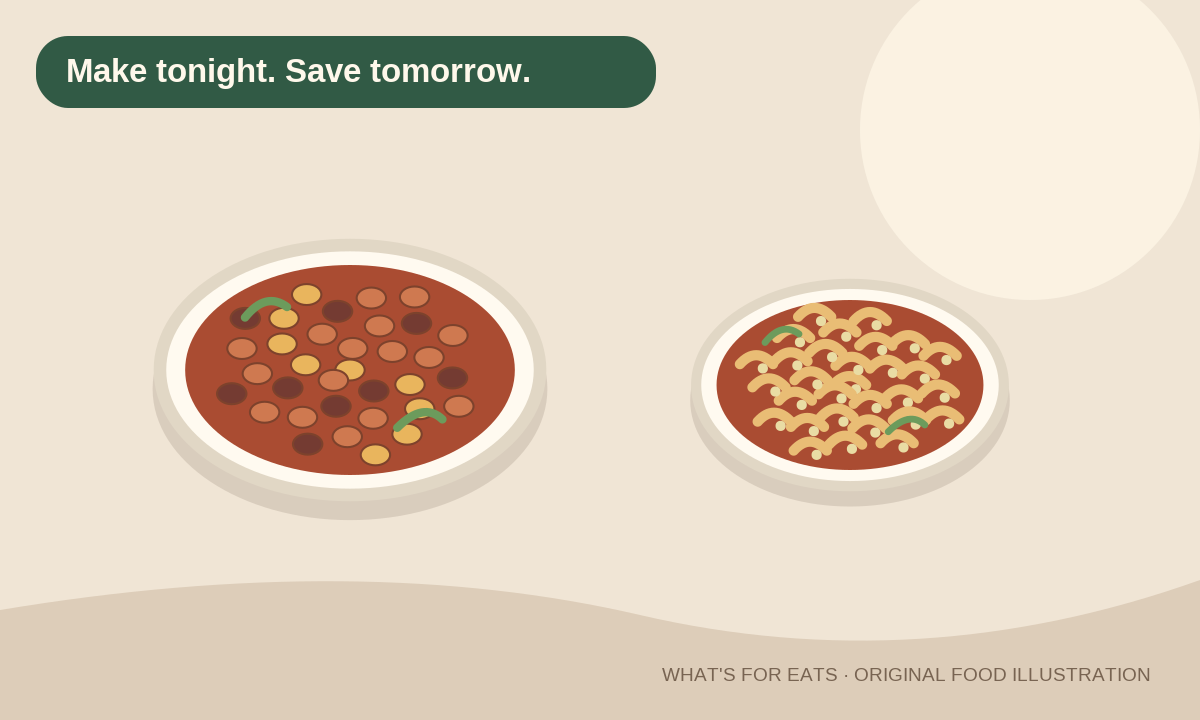
Freezer meals are a gift from a calmer past version of you. Cook once, freeze the extras and a future Tuesday becomes easy. Here is what freezes well, how to package it, how to thaw and reheat it safely and a few dinners to start with.
Cooked pasta and noodles, which can turn mushy. Add noodles when reheating soup instead.
How to package freezer meals
Cool food first. Refrigerate within 2 hours of cooking. Do not freeze hot food in a crowded freezer.
Portion it. Freeze in meal-size or single-serving containers.
Remove air. Squeeze out air from freezer bags and lay them flat so they freeze fast and stack neatly.
Label and date. Write what it is and the date, so nothing becomes a mystery brick.
Safe thawing and reheating
Thaw in the refrigerator, in cold water that you change every 30 minutes, or in the microwave if you will cook it right away. Do not thaw on the counter. Reheat leftovers to 165°F. Full details are in the USDA guidance on leftovers and food safety. Foods kept constantly frozen at 0°F stay safe, though quality drops over time, so aim to use most meals within about 3 months.
Five make-ahead dinners to start with
Salsa chicken. Freeze in portions and serve in tortillas, over rice or on baked potatoes.
Chicken noodle soup base. Freeze without noodles, then add them when reheating.
Meatballs and marinara. Freeze together for easy subs or pasta.
Breakfast burritos. Eggs, cheese and beans. Wrap individually.
Vegetarian chili. A big batch that gets better on day two.
Five complete freezer-friendly dinners
Each recipe is an adaptable starting point, generally making about four portions. The dedicated visuals are original illustrations rather than photographs of kitchen-tested dishes. Follow package directions and use a food thermometer for meat.
Original recipe-specific food illustration
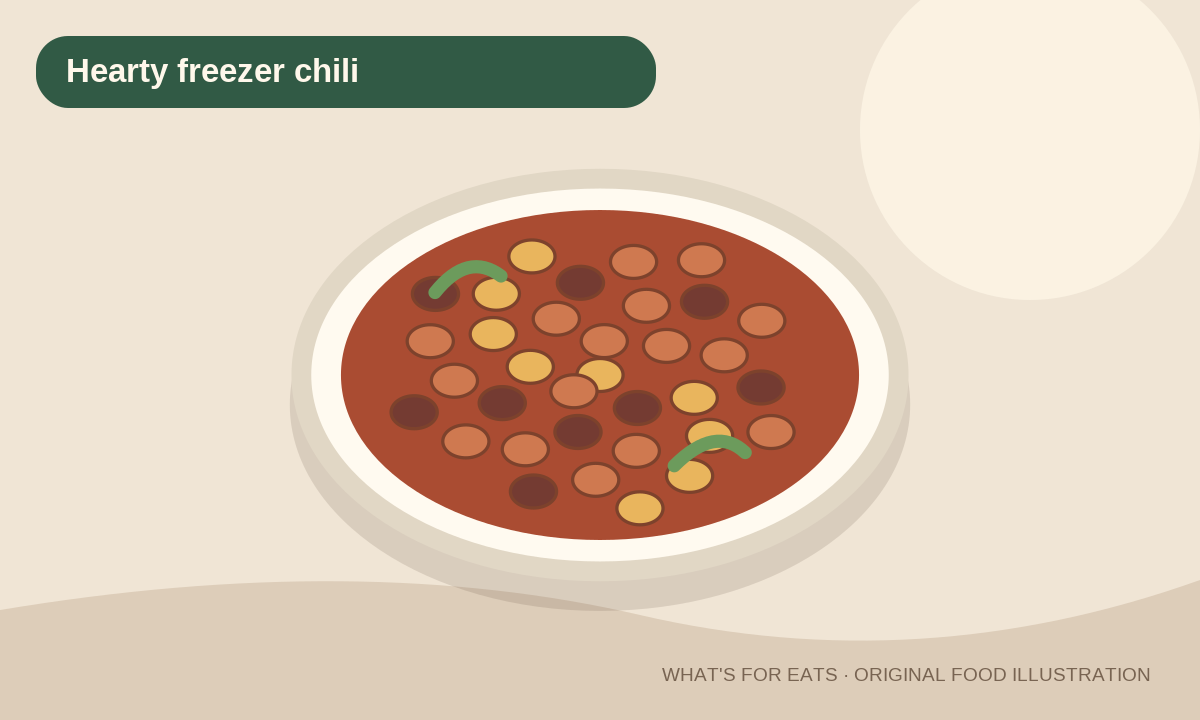
Chili for bowls or baked potatoes
Time: 15 minutes prep • 30 minutes cook
Ingredients: 1 lb ground beef or turkey (or 2 extra cans beans); 2 cans (15 oz each) beans, drained; 28 oz crushed tomatoes; 1 cup broth; 2 tbsp chili powder.
Cook: Brown ground meat thoroughly to the safe temperature for its type; drain excess fat. Stir in beans, tomatoes, broth and chili powder. Simmer 20–25 minutes, stirring occasionally, until hot and flavors meld.
Freeze: Divide into shallow freezer-safe containers and refrigerate promptly. Label with date and portions, then freeze.
Serve later: Thaw in the refrigerator and reheat leftovers to 165°F. Add fresh toppings after reheating.
Original recipe-specific food illustration
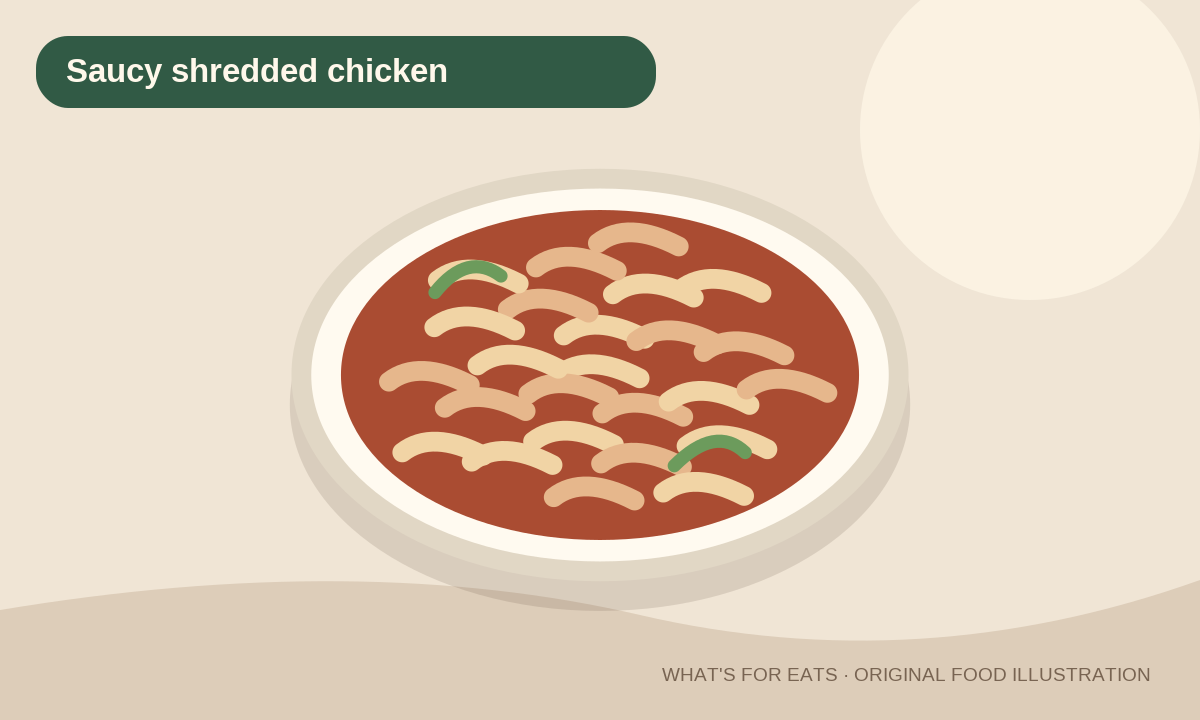
Cooked salsa chicken
Time: 10 minutes prep • Cook time varies
Ingredients: 2 lb thawed boneless chicken; 16 oz jar salsa; 2 tsp taco seasoning; ½ cup water if needed.
Cook: Cook chicken with salsa and seasoning using a method suitable for the cut until the thickest pieces reach 165°F. Shred with clean forks and stir into the cooking sauce.
Freeze: Cool promptly in shallow portions; freeze chicken with enough sauce to help retain moisture.
Serve later: Thaw safely, reheat to 165°F, and serve in tortillas or rice bowls.
Original recipe-specific food illustration
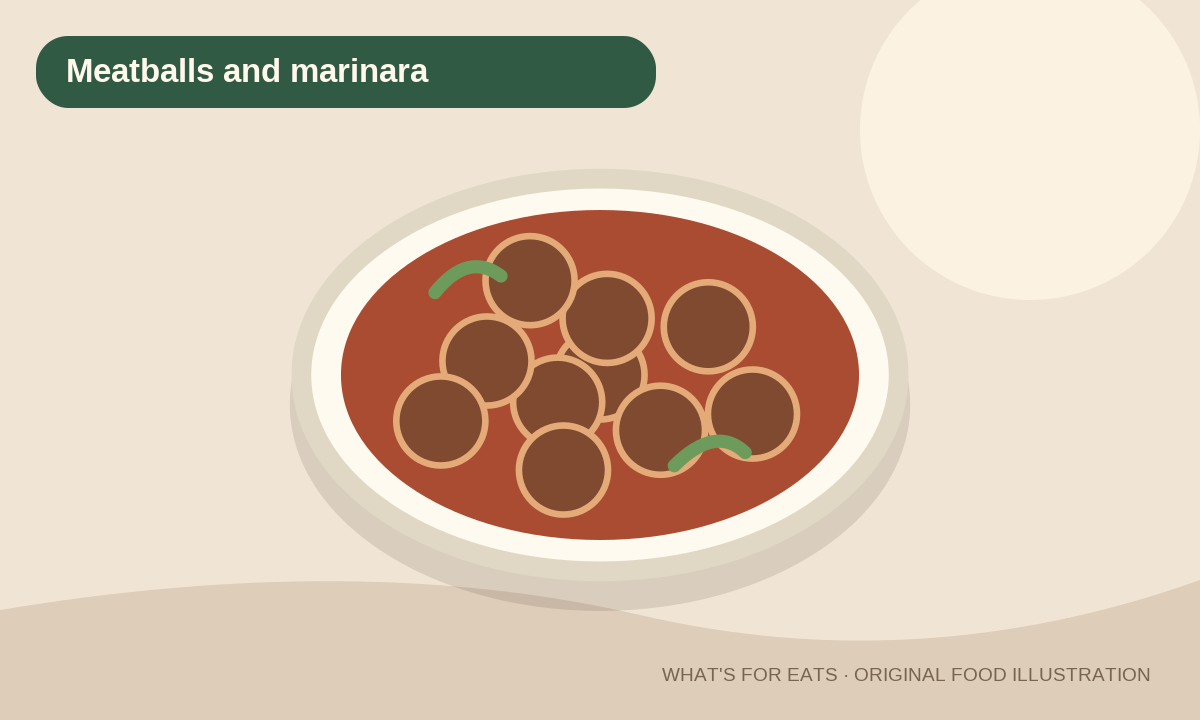
Saucy meatballs
Time: 10 minutes prep • 20–30 minutes cook
Ingredients: 1 lb fully cooked meatballs; 24 oz marinara; 1 tsp Italian seasoning; optional grated Parmesan to serve.
Cook: Warm fully cooked meatballs in marinara according to the package instructions until thoroughly heated. Add Italian seasoning and simmer gently.
Freeze: Portion meatballs together with sauce in freezer-safe containers; label and freeze promptly after cooling.
Serve later: Thaw in the refrigerator and reheat to 165°F. Serve with freshly cooked pasta or rolls.
Original recipe-specific food illustration
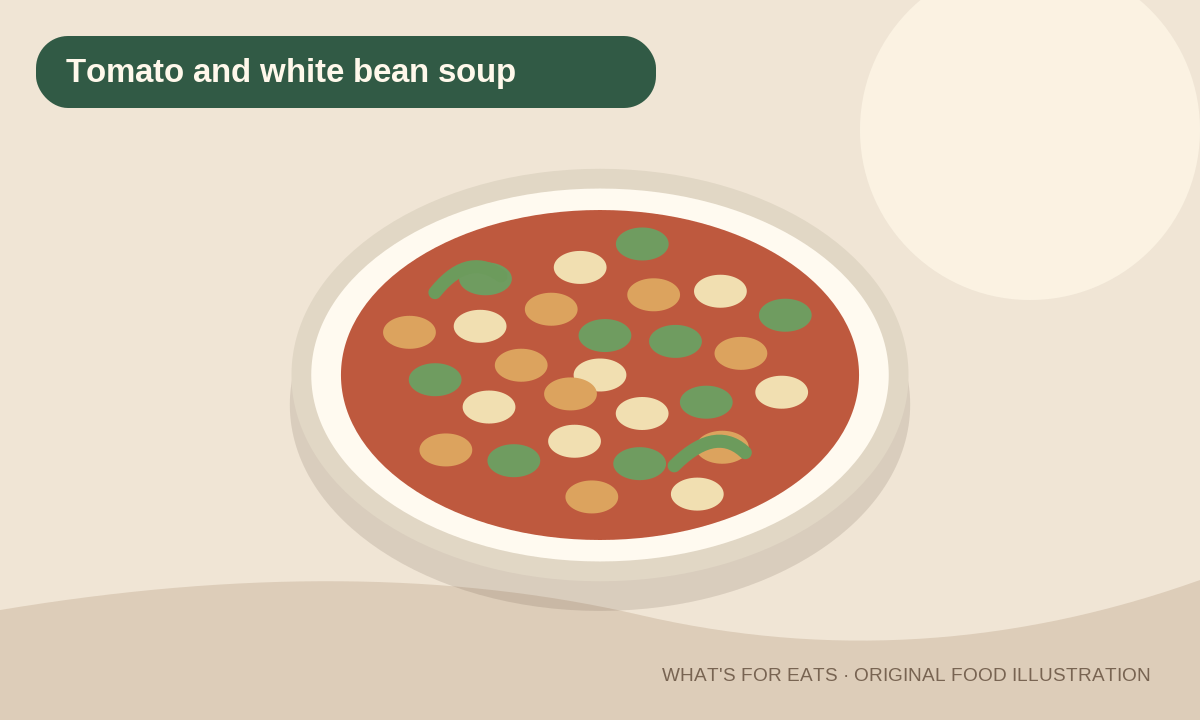
Tomato-and-bean vegetable soup
Time: 15 minutes prep • 30 minutes cook
Ingredients: 28 oz canned crushed tomatoes; 2 cans (15 oz each) white beans, drained; 2 carrots, diced; 1 onion, diced; 4 cups vegetable broth; 1 tsp Italian seasoning.
Cook: Combine ingredients in a large pot, bring to a gentle simmer and cook 25–30 minutes until carrots are tender. Add a splash of broth if needed.
Freeze: Cool promptly in shallow containers, leaving headspace for expansion. Freeze without noodles for better texture.
Serve later: Thaw safely and reheat until hot throughout, reaching 165°F for leftovers; add fresh pasta or spinach while heating if desired.
Original recipe-specific food illustration
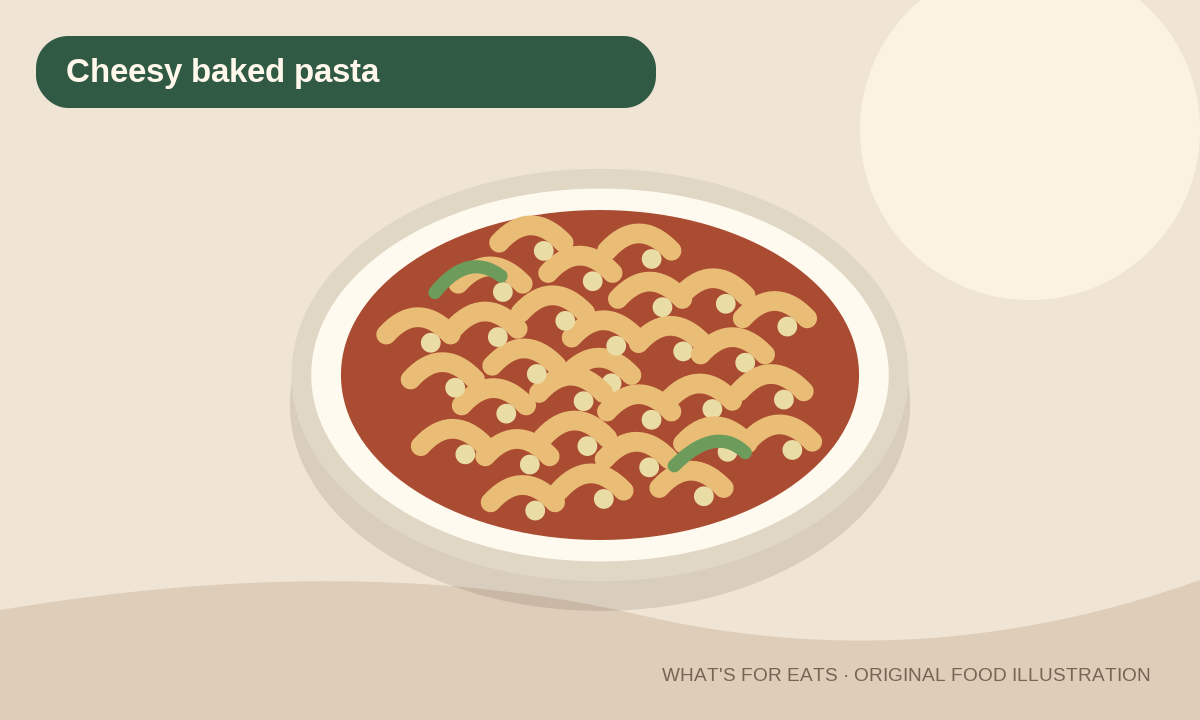
Cheesy baked pasta
Time: 20 minutes prep • 25 minutes bake
Ingredients: 12 oz dry penne; 24 oz marinara; 1 can (15 oz) white beans, drained; 1½ cups shredded mozzarella; ¼ cup Parmesan.
Cook: Boil pasta until slightly firm. Drain, combine with sauce and beans, place in a baking dish and top with cheeses. Bake at 375°F for roughly 20–25 minutes until bubbling and thoroughly hot.
Freeze: Cool promptly, divide into smaller freezer-safe portions and label. Freeze before adding fresh garnishes.
Serve later: Thaw safely or reheat from frozen in an appropriate oven-safe container, allowing extra time and verifying the center reaches 165°F.
Five freezer-friendly dinners: what to prep, freeze and finish
1. Chili for bowls or baked potatoes
Brown one pound of ground beef or turkey to the appropriate safe temperature, or use extra canned beans for a meatless version. Add two drained cans of beans, a large can of crushed tomatoes, chili powder and a cup of broth. Simmer until flavors combine. Divide into shallow containers, chill promptly, and freeze in portions. To serve, thaw safely and reheat to 165°F; add fresh toppings after reheating.
2. Cooked salsa chicken
Cook approximately two pounds of thawed chicken with salsa and seasoning until the thickest pieces reach 165°F. Shred, chill promptly and freeze with some sauce so the chicken stays moist. Reheat thoroughly for tacos, rice bowls or quesadillas. Do not pack the chicken while it is sitting hot for hours on the counter.
3. Saucy meatballs
Use cooked meatballs in a tomato sauce, cool the mixture promptly in shallow containers and freeze family-size servings. Thaw in the refrigerator and reheat until the center reaches 165°F. Spoon over freshly cooked pasta or into toasted rolls. Freezing the sauce and meatballs together helps prevent drying.
4. Tomato-and-bean vegetable soup
Simmer tomatoes, broth, carrots, canned white beans, onions and seasonings until the vegetables are tender. Chill and freeze the soup without pasta or delicate greens if you prefer their texture fresh. During reheating, add pasta or spinach and cook until the soup and additions are fully heated and cooked.
5. Baked pasta in smaller portions
Cook pasta until slightly firm, combine with tomato sauce, cooked protein or beans and cheese, then bake until thoroughly heated. Cool and freeze individual meal-size portions. Reheat from a safe thaw or from frozen using an appropriate method, allowing extra time and checking the center reaches 165°F. Pack a note about whether extra sauce is needed.
Freezer meal troubleshooting
Texture worsens: keep crisp toppings, fresh herbs and salads out of the freezer. Meals are forgotten: create a paper or phone list of what is inside, with dates. Portions are wrong: freeze one or two single-serving containers in addition to family packs. The freezer feels full: freeze two meals you already cook instead of buying ingredients for a massive batch day. See the USDA leftovers guidance.
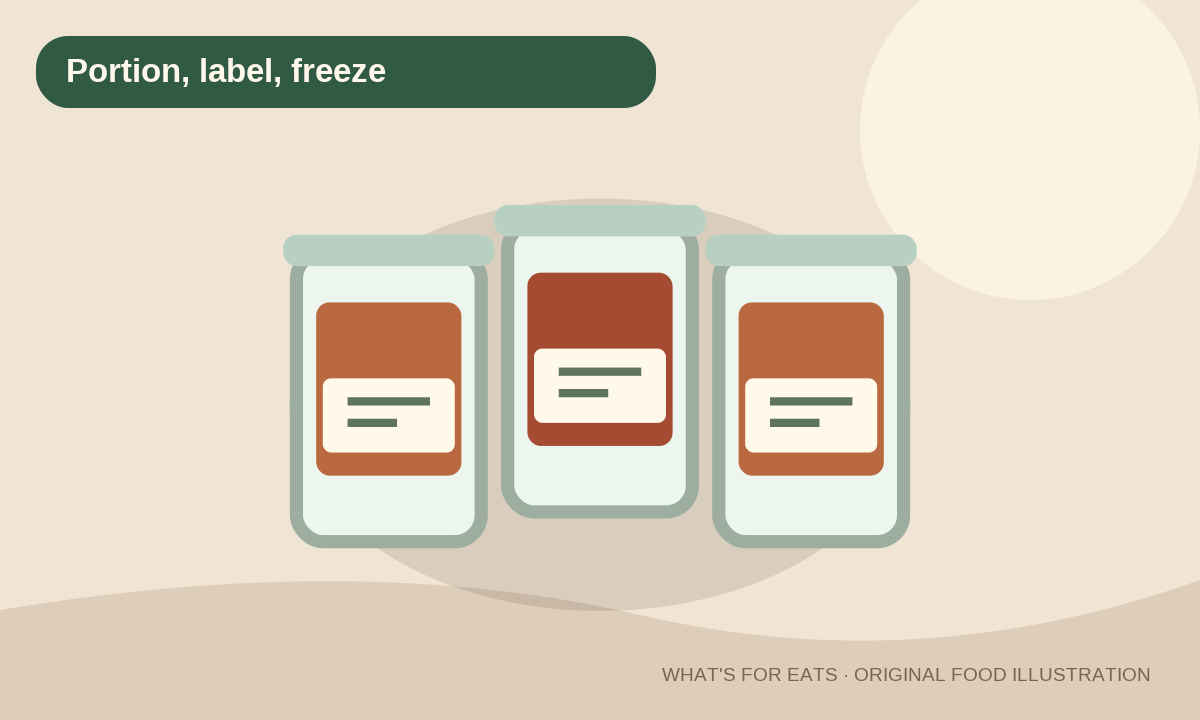
Portion, label, freeze.
Use shallow containers sized for the portions you actually eat. Write the meal name, date and number of servings on each one. Small portions make future dinners easier.
Make freezer cooking part of your routine
Double a recipe once a week and freeze half. Over a month you build a stash for chaotic nights. This works well with slow cooker dinners and fits into a weekly plan. It also lowers your cost per serving because you waste less food.
Let us take dinner off your plate
The Rescue Kit picks dinner by how tired you are. The Cheap Dinner Vault shows what each dinner costs.
Food kept at 0°F is safe indefinitely, but for best quality plan to eat most cooked meals within about 3 months.
Can I refreeze thawed food?
Food thawed in the refrigerator can be refrozen, though quality may suffer. Food thawed in the microwave or cold water should be cooked before refreezing.
Your first freezer-prep session
Skip the all-day batch-cooking marathon. Start with one recipe you already enjoy and make a double batch. Eat half now and freeze half in portions you will actually use.
When
What to do
Why it helps
Before cooking
Choose chili or soup; gather shallow containers and labels
Prevents last-minute packaging problems
Cooking day
Make a double batch and divide promptly
One cooking session provides another meal
After cooking
Refrigerate promptly in shallow containers, then freeze
Supports safe cooling and storage
Night before serving
Move a portion to the refrigerator to thaw
Avoids unsafe countertop thawing
Dinner night
Reheat thoroughly and add fresh toppings
Makes a convenient meal feel newly prepared
Copy this freezer label
Meal: ____________________
Prepared on: __________ Servings: ______
Thaw: Refrigerator Reheat: To 165°F for leftovers
Finish with: ____________________
What to freeze separately for better texture
Keep fresh herbs, crisp lettuce, crunchy toppings, sour cream and other delicate garnishes separate. Freeze soup bases without pasta if you prefer firmer noodles. For baked pasta, add a little extra sauce before freezing to help prevent dryness after reheating.
How long should you keep freezer meals?
Food held continuously at 0°F remains safe, but quality can decline. Use the FoodSafety.gov cold-storage chart for category-specific quality guidance. Never taste questionable food to decide whether it is safe.
Common freezer mistakes to avoid
Leaving cooked food on the counter for hours before storing it.
Thawing frozen meals on the countertop.
Freezing an enormous container when you only need one serving.
Skipping the label and forgetting what is inside.
Assuming reheating time alone guarantees the center is hot enough.
Original What’s for Eats visual guide — save this framework for another busy night.
Freeze one dinner successfully, step by step
Choose a freezer-friendly meal such as chili, cooked meatballs in sauce, shredded cooked chicken or bean stew.
Cook the recipe fully. Separate food into shallow containers so it cools quickly; refrigerate promptly.
Divide into meal-size portions you can actually use. Leave headroom for liquids that expand when frozen, and use freezer-safe packaging.
Label the food name, preparation date and how many servings are inside. Add short reheating instructions.
Freeze promptly, then rotate older portions to the front so they get used.
Thawing and reheating without guessing
USDA guidance recommends refrigerating perishables within two hours of cooking (within one hour when ambient temperature is above 90°F), using refrigerated leftovers within three to four days, and reheating leftovers to 165°F. Thaw in the refrigerator, cold water or microwave—never on the counter. Food thawed with cold water or microwave should be cooked promptly. Soups and stews may be reheated from frozen, though they take longer; stir to eliminate cold spots.
Quality is a separate question from food safety. Creamy sauces can split, raw salad greens wilt, and crisp toppings lose crunch. Store rice, crunchy garnishes or dairy toppings separately when practical, and add fresh elements at serving time.
A realistic first freezer session
Make a double batch of chili on a night you were already cooking. Serve half for dinner and chill the rest quickly in two shallow containers. Freeze two labeled family-size bags flat after cooling if your packaging permits. The following week, thaw in the refrigerator in advance, reheat thoroughly and serve with toast or microwave rice. You just earned two future dinners without spending a Sunday cooking six unrelated recipes.
Freezer-meal problems solved
Freezer burn: press excess air out of freezer-safe packaging and close it tightly. Watery casserole: drain excess liquid after thawing or add fresh toppings after reheating. Missing labels: use painter's tape and marker before filling bags. Forgot to thaw: follow a suitable from-frozen reheating method and verify a safe final temperature; otherwise choose a pantry backup. Review the USDA leftovers guidance. See also 18 make-ahead dinner ideas.
Our editorial approach: These are practical dinner guides, not a claim that every variation has been kitchen-tested. Cooking time and costs depend on your ingredients and equipment. See how What's for Eats develops its guides and our privacy information.
Get the free PDF version
Enter your email and we’ll send you the actual PDF as an attachment, with a direct PDF link too. The newsletter is optional.