Home › Dinner guides › Easy Sheet-Pan Dinners: One Pan, Almost No Cleanup
Easy Sheet-Pan Dinners: One Pan, Almost No Cleanup
By the What's for Eats kitchen crew · Updated October 23, 2026
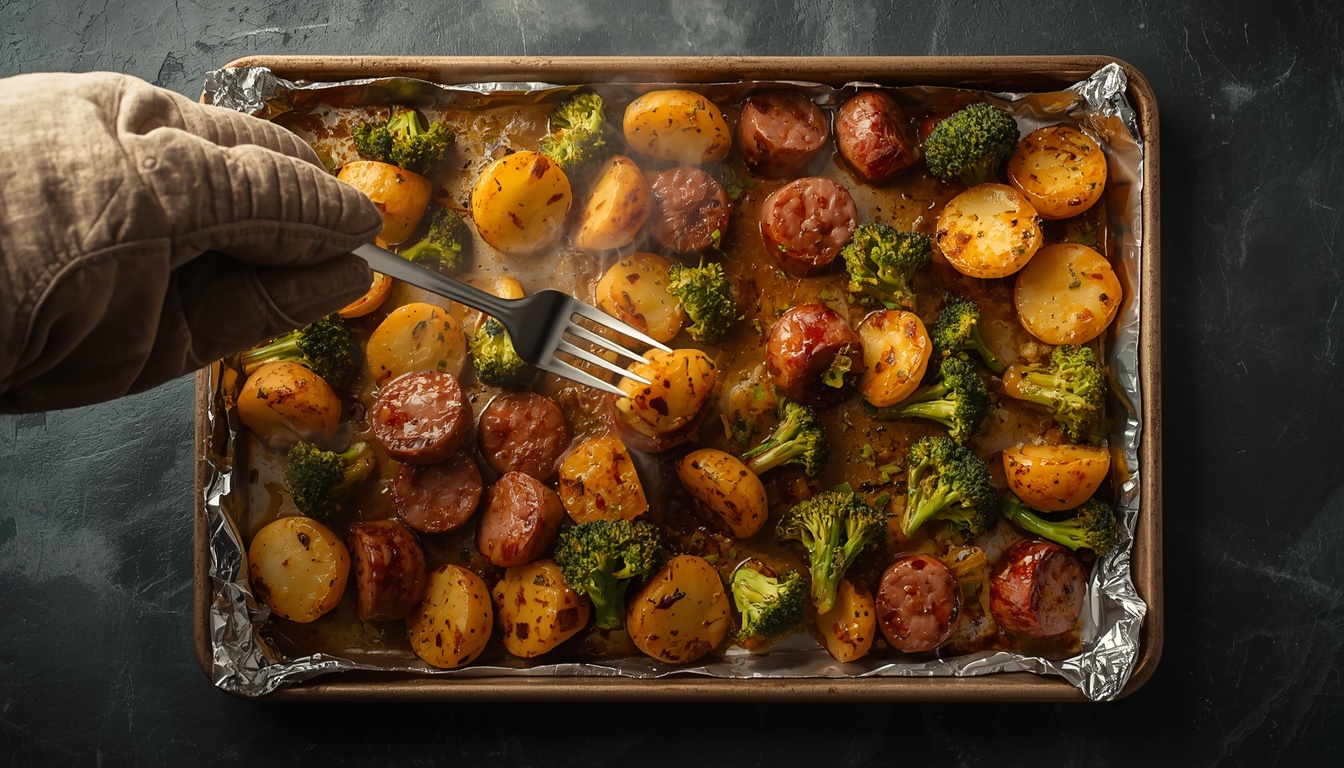
Sheet-pan dinners are the closest thing to a weeknight cheat code. Everything cooks together, the oven does the work and a layer of foil means there is nothing to scrub afterward. Here is the simple formula, the timing rules that keep everything from burning or going soggy, and five combinations to start with.
The sheet-pan formula
Pick one protein, one or two vegetables and a starch. Toss with oil, salt and a seasoning, spread in a single layer and roast at 425°F. That is the whole method.
- Protein: fully cooked sausage, chicken thighs or strips, shrimp, salmon, tofu or chickpeas.
- Vegetables: broccoli, bell peppers, zucchini, green beans, carrots, brussels sprouts.
- Starch: baby potatoes, sweet potato cubes, or serve everything over rice, tortillas or pasta.
- Flavor: garlic powder, taco seasoning, Italian seasoning, smoked paprika or a spoonful of pesto after roasting.
Timing rules that prevent soggy or burnt food
- Start slow foods first. Potatoes need about 10 minutes of head start before broccoli and sausage go on.
- Cut to match. Small pieces cook faster. Cut dense vegetables smaller than soft ones.
- Do not crowd the pan. Crowded food steams instead of roasts. Use two pans if needed.
- Line with foil. It saves cleanup. For extra browning, preheat the pan.
- Check doneness. Chicken should reach 165°F. Check the USDA temperature chart for other proteins.
Five easy combinations
1. Sausage, potatoes and broccoli
Our go-to. Roast halved baby potatoes 10 minutes, then add broccoli and sliced cooked sausage for 15 to 20 more minutes. The full recipe is on our main page.
2. Chicken fajitas
Toss chicken strips, sliced peppers and onion with oil and fajita seasoning. Roast 20 to 25 minutes until the chicken hits 165°F. Serve in warm tortillas.
3. Salmon, green beans and lemon
Roast green beans 8 minutes, add salmon fillets and roast until the fish reaches 145°F and flakes easily, about 10 to 12 minutes.
4. Chickpea and sweet potato tray
Roast sweet potato cubes with drained, dried chickpeas, cumin and paprika for 25 to 30 minutes. Finish with a drizzle of yogurt or tahini. A great meatless night.
5. Italian meatball tray
Arrange frozen, fully cooked meatballs with zucchini and cherry tomatoes. Roast about 20 minutes, then top with mozzarella for the last few minutes.
Cookable sheet-pan instructions and quantities
These five recipes are designed as adaptable family-size starting points, generally serving four. Total time changes with oven performance, cut size and pan crowding. Use food thermometers for raw animal proteins instead of treating a time estimate as a guarantee. Open a meal below for the precise order of cooking. Every recipe includes quantities, a practical fix and food-safety guidance.
1. Sausage, Potatoes and Broccoli
Ingredients
1 lb baby potatoes, 12 oz fully cooked sausage, 4 cups broccoli florets, 2 tbsp oil, garlic powder, salt and pepper.
Instructions
Roast halved potatoes at 425°F for 12 minutes. Add broccoli and sliced sausage, spread in one layer and roast 15–20 minutes more. Potatoes should be fork-tender; heat the sausage according to its package.
Common fix: If the broccoli browns before the potatoes soften, remove it and return the potatoes to the oven.
2. Sheet-Pan Chicken Fajitas
Ingredients
1½ lb boneless chicken strips, 3 bell peppers, 1 large onion, 2 tbsp oil, 2 tsp fajita seasoning, tortillas.
Instructions
At 425°F, spread seasoned chicken and vegetable strips across one or two pans so they are not piled. Roast about 18–25 minutes, stirring halfway, and use a thermometer to confirm chicken reaches 165°F. Serve in warm tortillas.
Common fix: If the vegetables are soft before chicken is done, move them to a separate warm plate and keep cooking the chicken.
3. Lemon Salmon and Green Beans
Ingredients
4 salmon fillets, 1 lb green beans, 1 lemon, 2 tbsp oil, salt, pepper and garlic powder.
Instructions
Heat the oven to 400°F. Toss trimmed beans with oil and roast about eight minutes; move them aside and add salmon on a lightly greased area. Season and roast until the fish reaches 145°F, checking earlier for thin fillets. Squeeze lemon over both.
Common fix: If salmon browns too quickly, move the pan lower in the oven or shield lightly according to appliance guidance.
4. Roasted Chickpeas and Sweet Potatoes
Ingredients
2 medium sweet potatoes, 2 cans chickpeas, 2 tbsp oil, 1 tsp smoked paprika, 1 tsp cumin, yogurt or tahini to finish.
Instructions
Heat oven to 425°F. Cut sweet potatoes into ¾-inch cubes and dry drained chickpeas. Toss with oil and spices, spread across a large pan and roast roughly 25–35 minutes, turning midway, until potatoes are tender and chickpeas begin to crisp.
Common fix: Drain chickpeas thoroughly; wet chickpeas steam. Serve with rice or bread for a more substantial meatless dinner.
5. Italian Meatball and Zucchini Tray
Ingredients
1 lb fully cooked frozen meatballs, 2 zucchini, 1 pint cherry tomatoes, 1 tbsp oil, ½ cup shredded mozzarella, dried oregano.
Instructions
Check meatball package directions first: some products require longer or different cooking from frozen. Roast meatballs with oiled sliced zucchini and tomatoes at the product's suitable temperature until thoroughly heated and vegetables are tender; add mozzarella near the end just to melt.
Common fix: If vegetables release too much liquid, use a second tray. Finish with fresh basil or a squeeze of lemon.
Make a sheet-pan meal that fits your schedule
To save hands-on time, cut dense vegetables in advance and refrigerate them in closed containers. Store raw meat separately and add seasoning when ready to cook. For a very busy night, choose fully cooked sausage instead of raw chicken or prepare a meatless bean-and-vegetable tray. If the pan needs more than one layer of ingredients, divide them between two trays so heat can circulate. Pair the finished meal with rice, bread or a cold side when the main tray does not provide enough food.
The easiest dinner is the one you can repeat.
Start with a familiar protein, choose one dense vegetable and one quick-cooking vegetable, then add a sauce at the table. That one formula creates dozens of dinners without a new recipe every night.
Make it a system
Keep the ingredients for one sheet-pan meal on hand and rotate the seasoning. It pairs well with a weekly meal plan and works for nights with no energy. Leftover roasted vegetables turn into tomorrow's quesadillas or fried rice.
Let us take dinner off your plate
The Rescue Kit picks dinner by how tired you are. The Cheap Dinner Vault shows what each dinner costs.
Get the Rescue KitGet the Cheap Dinner VaultQuestions, answered
What temperature is best for sheet-pan dinners?
425°F works for most combinations because it browns vegetables without drying out the protein. Delicate fish can go slightly lower.
How do I keep vegetables from getting soggy?
Use a single layer, dry the vegetables well, give them enough oil and avoid crowding the pan.
One shopping list, three different dinners
Buy these flexible ingredients once, then use them across three weeknights instead of buying an entirely different set of groceries for every recipe.
| Shop once | Use it for | Easy substitution |
|---|---|---|
| 2 lb baby potatoes | Sausage tray and chicken dinner | Sweet potatoes or carrots |
| 2 heads broccoli or frozen florets | Sausage tray and salmon dinner | Green beans or cauliflower |
| 3 bell peppers and 2 onions | Fajitas and sausage tray | Frozen sliced pepper mix |
| Fully cooked sausage, chicken, or chickpeas | Choose a different protein each night | Tofu or another safely prepared protein |
| Lemon, olive oil, garlic powder, paprika | Season all three meals | Italian seasoning or a prepared spice blend |
Shopping note: This is a flexible starter list, not exact quantities for making all five recipes. Use the measured ingredients in each recipe card to build your final grocery list.
Prep ahead without sacrificing crispy edges
Wash and thoroughly dry vegetables, cut potatoes and carrots into evenly sized pieces, and refrigerate prepped ingredients in separate containers. Keep raw proteins sealed and apart from ready-to-eat foods. On cooking night, pat ingredients dry before adding oil; excess surface moisture encourages steaming.
What to do when everything cooks at a different speed
Dense first: potatoes, carrots and squash often need a head start. Medium next: chicken pieces and broccoli, depending on size. Fast last: shrimp, delicate fish, thin zucchini and fresh garnishes. These are categories, not fixed times: thickness, oven performance and starting temperature change the result. Always use a thermometer for meat and seafood.
How to tell when your sheet-pan dinner is actually done
Potatoes should yield to a fork; broccoli should have browned tips without a burnt taste; chicken and seafood must reach their safe internal temperatures. If one ingredient is ready first, move it to a clean serving dish and let the others finish. Never return cooked food to a plate that held raw meat without washing it.
Five finishing sauces that change the whole meal
- Lemon yogurt: plain yogurt, lemon juice and garlic powder for roasted chicken or vegetables.
- Smoky lime: lime juice, a little oil and smoked paprika for fajitas or chickpeas.
- Herby pesto: spoon over hot potatoes and sausage after roasting.
- Honey mustard: whisk Dijon, a little honey and water; serve on the side.
- Garlic tahini: thin tahini with water, lemon and garlic for meatless trays.
Offer sauces at the table so everyone can customize a plate. If you are serving children or picky eaters, reserve some simply seasoned ingredients before adding stronger flavors.
Explore every dinner guide
Keep building your weeknight plan with these related guides. Each one covers a different part of getting dinner on the table.
Make this dinner strategy work in a real kitchen

A workable 35-minute sheet-pan dinner
Heat the oven to 425°F. Cut one pound of potatoes into small, similar-size pieces, toss with one tablespoon oil and roast on a large sheet pan for about 12 minutes. Add sliced fully cooked sausage and broccoli florets tossed with another small drizzle of oil. Continue roasting approximately 12–18 minutes, tossing once, until the potatoes are tender and vegetables have browned edges. Time depends on the cut size, pan and oven; inspect before you serve.
With raw chicken, use a thermometer and cook the thickest part to 165°F. Start chicken with the denser vegetables if necessary, then add faster-cooking vegetables later. Do not put raw chicken next to ready-to-eat garnishes that will not be cooked.
Sheet-pan ingredient swap chart
- Vegetables that usually need a head start: potatoes, carrots, squash and thick cauliflower pieces.
- Vegetables that usually need less time: peppers, zucchini, asparagus, cherry tomatoes and thin broccoli florets.
- Quick protein choices: fully cooked sausage, cubed firm tofu and shrimp; add these according to their actual cooking requirements.
- Finishing flavors: lemon, yogurt sauce, pesto or Parmesan after roasting prevent burning or soggy coatings.
Troubleshooting pale potatoes, dry chicken and soggy vegetables
Everything steams: Use two pans if the food overlaps; moisture needs space to evaporate. Potatoes stay hard: cut them smaller and start them before delicate foods. The protein dries out: check temperature sooner and choose cuts appropriate for roasting. The sauce burns: apply sugary barbecue or honey-based sauces later in cooking. Cleanup is still annoying: line the pan with parchment rated for the oven temperature; keep it away from exposed heating elements and follow its packaging guidance.
How to make this a repeatable family system
Pick a protein on Sunday, buy two vegetables in different colors, and choose one finishing sauce. On a busy night, roast with salt and basic seasoning, then let everyone finish their plate with the sauce they prefer. You can turn leftovers into a grain bowl or wrap the next day. Need help deciding between appliances? Read our cooking-method comparison.
Further reading: For accurate cold storage and safe temperatures, use the USDA food-safety basics. For related meal ideas, browse the complete dinner guide library.
Our editorial approach: These are practical dinner guides, not a claim that every variation has been kitchen-tested. Cooking time and costs depend on your ingredients and equipment. See how What's for Eats develops its guides and our privacy information.
Get the free PDF version
Enter your email and we’ll send you the actual PDF as an attachment, with a direct PDF link too. The newsletter is optional.