Home › Dinner guides › Leftover Chicken Recipes: One Chicken, Three Dinners
Leftover Chicken Recipes: One Chicken, Three+ Dinners
By What’s for Eats · Updated October 26, 2026
A container of cooked chicken can become crisp quesadillas, colorful taco bowls, creamy pasta, a warming soup or a chilled sandwich filling. These five detailed recipes change the sauce, starch and texture so dinner feels different, with practical ways to portion what you have and keep it safe.
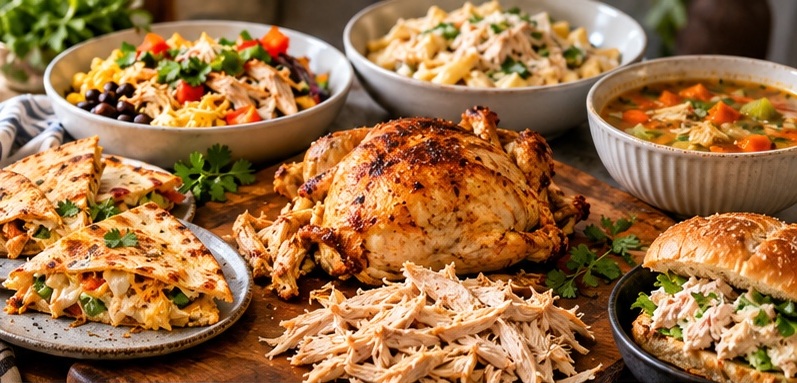
Your supplied AI-generated food imagery, used throughout this guide as serving inspiration.
Store it safely first
Refrigerate cooked chicken within 2 hours.
Store in airtight containers and use within 3 to 4 days.
Serve warm chicken with rice and steamed or microwaved vegetables. Shred or slice the extra and set it aside right away.
Night 2: Quesadillas or wraps
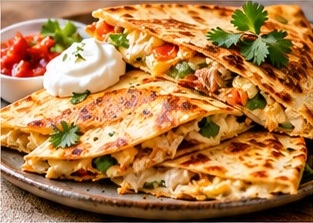
Fold shredded chicken, cheese and thick salsa into tortillas and crisp in a skillet, usually 2–3 minutes per side. Warm chicken safely first or check that the finished filling reaches 165°F; tortilla browning alone does not prove it is hot enough.
Night 3: Quick soup
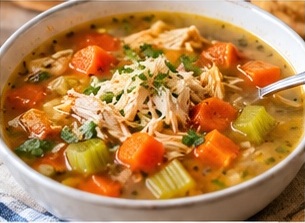
Simmer 4 cups broth with frozen vegetables until tender. Add the remaining chicken with cooked noodles or rice, then heat until the chicken reaches 165°F. If using dry noodles, allow their package cooking time and add broth as needed.
Five more leftover chicken ideas
Chicken fried rice. Stir shredded chicken into egg fried rice.
Chicken pesto pasta. Toss with pesto and cherry tomatoes. A great 5-ingredient dinner.
Loaded baked potatoes. Top with chicken, cheese and broccoli.
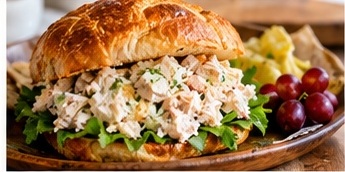
Chicken salad sandwiches. Mix with mayo or Greek yogurt, celery and a little mustard.
Chicken and bean burrito bowls. Rice, beans, chicken and salsa.
Five ways to turn leftover chicken into dinner
Choose one recipe to suit tonight. Each makes about four servings with 2 cups of chicken, plus the listed sides or starches. These are five alternatives, not a promise that one bird supplies all five batches. Times are estimates, and the methods are editorially developed rather than claimed as kitchen-tested.
Dinner option 1 · About 20 minutes · Serves 4
Chicken Quesadillas
Ingredients
2 cups cooked shredded chicken
4 large flour tortillas
1 1/2 cups shredded cheddar or Monterey Jack
1/4 cup thick salsa, plus extra to serve
2 tsp oil
optional 1/2 tsp cumin
How to make it
Combine chicken with salsa and optional cumin. Warm in a small saucepan with a splash of water, stirring until the chicken reaches 165°F. Keep warm while assembling.
Place one tortilla in a large skillet over medium-low heat with 1/2 tsp oil. Sprinkle one half with a quarter of the cheese and chicken; fold over.
Cook 2–3 minutes per side, pressing gently, until crisp and cheese melts. Repeat with remaining tortillas. If using cold filling instead, cook longer over lower heat and check the center reaches 165°F.
Rest 1 minute, then slice into wedges. Serve with salsa and cucumber or tomato on the side.
Make it work: Use thick salsa and avoid overfilling: wet filling makes a soft tortilla. For a milder plate, keep salsa outside and use chicken, cheese and a splash of broth.
Storage & serving: Best eaten freshly crisped. Refrigerate any remaining portions promptly; the original chicken’s storage deadline still applies. Reheat in a skillet or oven until the filling reaches 165°F.
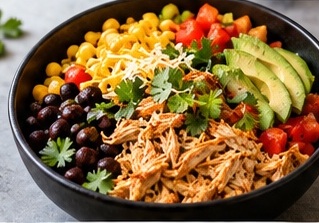
Put chicken, salsa, seasoning and water in a skillet. Cover and heat gently, stirring occasionally, until chicken reaches 165°F.
Warm beans and corn in a saucepan with a splash of water. Prepare rice separately; reheat refrigerated rice to 165°F and break up clumps for even heating.
Divide rice, beans, corn and chicken among four bowls. Add avocado, tomatoes and optional cheese or lime immediately before serving.
For a build-your-own dinner, set each component out separately and return perishable extras to refrigeration promptly.
Make it work: Beans stretch a modest amount of chicken. If you only have 1 cup of chicken, add a second drained can of beans and season to taste. Keep wet salsa and crisp toppings separate when packing lunches.
Storage & serving: Store hot-meal components and cold toppings in separate containers. Use safely chilled rice; assembling a bowl does not extend either ingredient’s storage window.
Boil pasta according to package directions. Before draining, reserve 1/2 cup starchy cooking water.
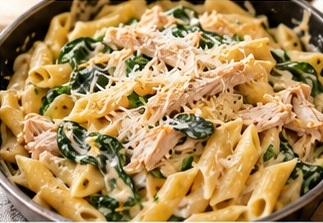
Meanwhile heat oil in a wide skillet over medium-low heat. Add garlic for 30 seconds, then broth and cream. Bring to a gentle simmer; do not boil hard.
Stir in chicken and spinach. Cook gently, stirring, until spinach wilts and chicken reaches 165°F. Remove from heat and stir in Parmesan.
Add drained pasta and toss. Loosen with reserved water a tablespoon at a time until glossy. Taste before adding salt; Parmesan and rotisserie seasoning may provide plenty.
Make it work: High heat can split a cream sauce. Reduce the heat and add a small splash of warm pasta water if the sauce becomes oily. For broccoli pasta, add small broccoli florets to the pasta pot for its last 3 minutes, then drain with the noodles.
Storage & serving: Creamy pasta thickens in the refrigerator. Reheat only the portion needed with a splash of broth or milk, stirring frequently and checking 165°F. It is usually better refrigerated than frozen.
Warm oil in a large pot over medium heat. Cook onion, carrots and celery 7–8 minutes, stirring, then add garlic for 30 seconds.
Add broth and thyme. Bring to a boil, lower to a gentle simmer and cook 10–12 minutes until carrots are tender.
Stir in chicken, peas and optional cooked noodles or rice. Simmer until the chicken reaches 165°F; heat evenly rather than relying only on visible steam.
Finish with lemon and pepper. Taste before salting and serve with bread if desired.
Make it work: Cook noodles separately when making a batch for later; otherwise they soak up broth and turn soft. To make a heartier pot without more chicken, stir in a drained can of white beans.
Storage & serving: Divide into shallow containers for prompt cooling. Freeze portions without noodles for better texture. Reheat soup to 165°F; USDA also advises bringing soups, sauces and gravies to a rolling boil when reheating.
Keep chicken refrigerated until preparation. Mix mayonnaise or yogurt, mustard, lemon and pepper in a chilled bowl.
Fold in chicken, celery and parsley. Taste, then add salt if needed. Add a spoonful more dressing if the chicken is especially lean.
Spoon onto bread or rolls with lettuce just before eating. For a bread-free lunch, serve in lettuce cups or over a salad.
Return unused filling to the refrigerator promptly. This is a cold dish: do not heat chicken and then leave it out to cool for sandwich assembly.
Make it work: Use less dressing initially and add gradually. Yogurt creates a tangier filling; mayonnaise gives a richer texture. Leave celery out for a softer sandwich or put it on the side for different texture preferences.
Storage & serving: Keep at 40°F or below until serving. Pack lunch with adequate ice packs or refrigerate it. Do not freeze the assembled salad; freeze plain chicken instead, then add fresh dressing after safe thawing.
Save breast meat for wraps or bowls, smaller shredded pieces for soup, and flavorful cooked scraps for quesadillas. Freeze extra cooked chicken before its three-to-four-day refrigerator window closes. Portioning on day one is easier than deciding what is safe on day five.
How many dinners can one chicken actually make?
Measure the cooked, boneless meat before assigning meals. Bird size, carving and appetites vary, so “one chicken” is not a reliable serving measurement. All five full recipe batches above together require 10 cups of cooked chicken. If yours yields less, choose fewer recipes or reduce their batches.
Allocate the cooked meat you actually have
Measured chicken
Suggested use
What to add
1 cup
Half a soup or bowl recipe
Beans, grain and vegetables
2 cups
One full recipe above
The listed starch and sides
4 cups
Two full recipe batches
Separate toppings for variety
6 cups
Three full recipe batches
Freeze any later-use portion promptly
A realistic example: If you measure 4 cups, keep 2 cups for quesadillas and 2 cups for soup. For four people, rice, beans, bread and vegetables help those portions become two mixed meals. If you start with 6 cups, three 2-cup recipes are possible; the yield is conditional on the chicken you actually have. Freeze a portion promptly if you will not use it within the original storage window.
A 15-minute prep session
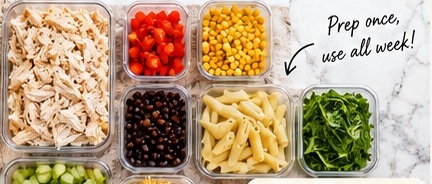
Use clean hands, utensils and a work surface. Remove skin and bones as appropriate and shred or chop the cooked meat. Do not leave it on the counter for an extended carving session.
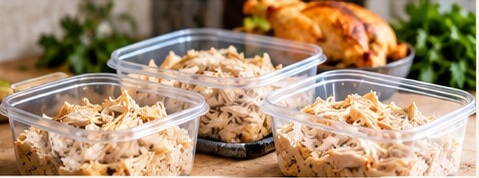
Measure into 1- or 2-cup portions. Label each with the original cooking or purchase date and the intended meal.
Refrigerate in shallow, covered containers promptly; freeze portions intended for later dates. Keep sauce, cheese, lettuce and tortillas separate until assembling.
Wash and portion ready-to-eat vegetables separately. Keep them away from raw poultry and use separate clean utensils.
Store the chicken safely before planning the week
Keep the refrigerator at 40°F (4°C) or below. Refrigerate cooked chicken within 2 hours, or 1 hour when the temperature is above 90°F. Use refrigerated cooked chicken within 3–4 days of its original cooking or purchase; changing the sauce or reheating it does not restart that clock.
Freeze later-week portions promptly, preferably when you first portion the chicken. For this plan, aim to use frozen chicken within about 3 months for quality. Thaw in the refrigerator; cold-water or microwave thawing needs prompt heating. Reheat hot leftover dishes to 165°F (74°C), checking several spots. Cold chicken salad should remain chilled until serving.
About the supplied planning artwork: “Use all week” means planning with refrigerated and frozen portions, not keeping cooked chicken in the refrigerator for seven days. The serving photos are illustrations of the dishes, not proof of a tested cooking process.
For one full batch of quesadillas and one full batch of chicken soup, start with 4 cups of cooked chicken and the following list. This is a two-dinner list, not the shopping list for all five alternatives.
Produce: 1 small onion, 2 carrots, 2 celery ribs, 2 garlic cloves, 1 lemon, and cucumber or tomatoes for an optional quesadilla side.
Chilled: 1 1/2 cups shredded cheddar or Monterey Jack.
Pantry: 4 large tortillas, 1/4 cup thick salsa plus serving salsa, 5 cups low-sodium chicken broth, olive oil, dried thyme, salt and pepper. Optional cumin and 1 cup cooked noodles or rice.
Frozen: 1 cup peas. Check your freezer before buying another bag.
For a different pair of recipes, use their measured lists instead. Check the dates on existing chicken before buying ingredients around it.
Common leftover-chicken problems, solved
Dry or stringy chicken
Heat gently with broth or sauce, and stop once the food reaches 165°F. Soup and creamy pasta suit lean breast meat; small shreds work better than large dry chunks.
Soft quesadillas
Use thick salsa, warm and drain the filling, and keep portions modest. Crisp over medium-low heat instead of turning up the heat before the center is hot.
Not enough chicken
Scale down the recipe or extend a bowl or soup with cooked beans and grains. Do not assume a single small bird will provide all five meals for four people.
Salty rotisserie seasoning
Choose low-sodium broth, add mild vegetables and taste before adding cheese, sauce or salt. Brighten with lemon rather than adding more seasoning immediately.
Uncertain storage history
If the chicken sat out too long or its storage history is unsafe, discard it. Smell and appearance cannot establish safety, and reheating does not rescue improperly stored food.
Can I use turkey instead?
Cooked turkey can work in these mixed dishes, using the same safe leftover handling. Match the cut size and add extra broth to lean pieces as needed.
Do I have to reheat chicken for a sandwich?
No, properly cooked and safely refrigerated chicken can be used cold. Keep the filling at 40°F or below until serving; reheat only if making a hot dish.
What should I prep for later in the week?
Freeze the plain chicken portion first, then thaw safely and add fresh ingredients on cooking day. Freeze soup without noodles when possible; add cooked noodles when serving for a better texture.
Tips for better leftover chicken
Add a splash of broth or water when reheating so it stays moist.
Add fresh flavor at the end: lime juice, herbs or hot sauce.
Keep the bones and simmer them with water, onion and carrot for homemade broth.
Shred chicken while it is still warm. It pulls apart more easily.
Cook once, eat twice
Doubling a slow cooker chicken recipe is the easiest way to get a head start on the next two nights. It also helps with picky eaters, since each night looks different even when the base is the same.
Let us take dinner off your plate
The Rescue Kit picks dinner by how tired you are. The Cheap Dinner Vault shows what each dinner costs.
Night one: roast chicken plates. Serve freshly cooked chicken with potatoes and vegetables. Remove the extra meat from the bones after dinner, divide into shallow covered containers and refrigerate promptly. Night two: chicken quesadillas. Mix chopped cooked chicken with shredded cheese between tortillas, heat until hot throughout and serve with salsa and cucumber. Night three: chicken noodle soup. Simmer broth, carrots and noodles; stir in the remaining chicken until thoroughly reheated. If you will not use some portions within three to four days, freeze them promptly instead.
How much leftover chicken do you need?
For most mixed dishes, start with roughly 2–3 cups of cooked shredded chicken for a four-person family, adjusting for appetites and the amount of beans, vegetables or grains. Two cups in soup stretches further than two cups served plain. Remove skin and bones where appropriate, and keep ready-to-eat vegetables and raw meat on separate surfaces.
Use three flavor paths to avoid leftover fatigue
Mexican-inspired: chicken + beans + salsa + tortillas for tacos, quesadillas or rice bowls.
Comfort-food: chicken + broth + frozen vegetables + noodles for soup, pot pie filling or creamy skillet pasta.
Bright and crunchy: chicken + yogurt or mayonnaise + celery + lemon for sandwiches; keep chilled until served.
Food safety checks that matter
Cooked chicken is perishable. Refrigerate within two hours of cooking (one hour in temperatures above 90°F), use most cooked leftovers in three to four days, and reheat leftovers to 165°F. Do not assume that repeated reheating resets the storage clock. If the original chicken was not stored safely, do not try to rescue it by heating it again. Source: USDA FSIS.
Our editorial approach: These are practical dinner guides, not a claim that every variation has been kitchen-tested. Cooking time and costs depend on your ingredients and equipment. See how What's for Eats develops its guides and our privacy information.
Get the free PDF version
Enter your email and we’ll send you the actual PDF as an attachment, with a direct PDF link too. The newsletter is optional.